
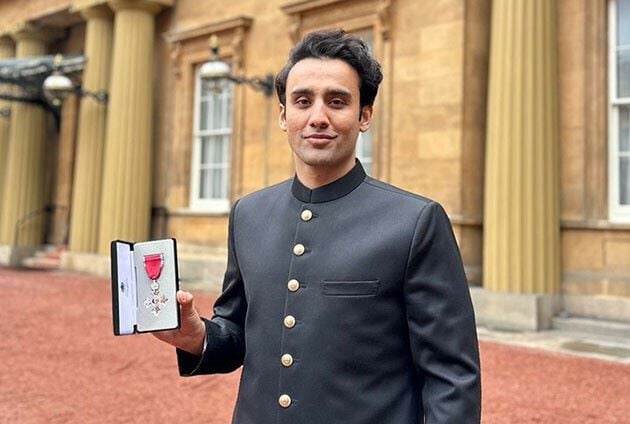
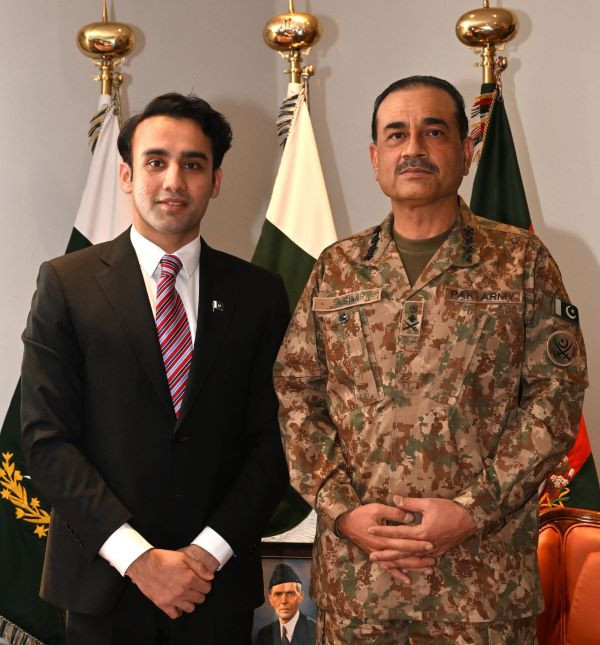
At a high -level meeting at General Headquarters (GHQ), Pakistan’s military chief, Field Marshal Asim Munir, met with Bilal Bin Saqib, Council of Managing Director Crypto Pakistan (PCC), to discuss the future of the country’s digital economy, Strengthening youth through blockchain, cryptocurency and perfect intelligence.
The meeting underlined an increasing national commitment to emerging technologies as a way of economic resilience and global relevance. Central to the debate was the belief that Pakistan’s youth should be at the heart of this transformation.
“The Pakistan Cryptographic Council exists because our youth requires a place at the global technology table,” said Bilal Bin Saqib. “We build for a generation that sees digital funding, decentralization and AI not as threats – but as opportunities to lead, innovate and raise the nation.”
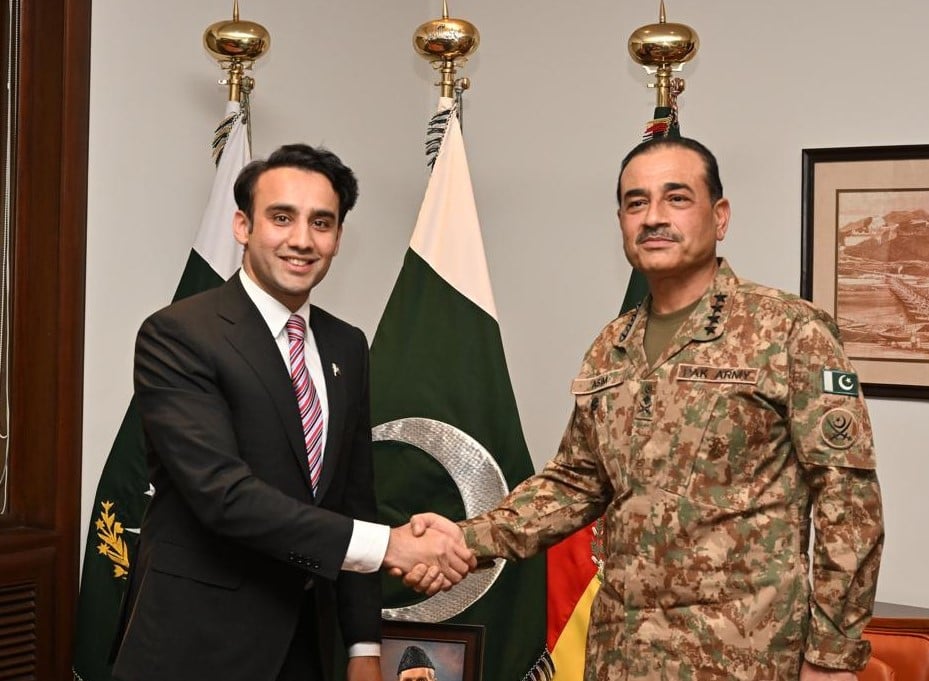
Bilal Bin Saqib shared basic updates on PCC’s progress, including a visit by the World Liberty Financial delegation and founder of Binance, Changpeng Zhao, regulatory consultations, international collaboration and approach focusing on the youth to create a digital and world -renowned generation. He described a course map that looked like the future way that aims to accelerate innovation and unlock Pakistan’s growing digital economic ecosystem.
In a major development aligned with these efforts, the Treasury on Wednesday presented a comprehensive strategy for regulating digital assets and accelerating the growth of the economy of Pakistan’s virtual asset. In the context of this initiative, the government has approved the creation of a special entity-the Pakistan Digital Property Series (PDAA)-attacking the financial infrastructure based on blockchain, according to an official statement issued by the ministry.
Federal Finance Minister Muhammad Aurangzeb said: “Pakistan is on the doorstep of a digital transformation. With the establishment of Pakistan Digital Asset (PDAA). It attracts global investment.”
The PDAA is expected to regulate an informal 300 billion -billion cryptography market, facilitates the convenience of national assets and government debt, provides legal clarity to global and local investors and will allow the creation of Pakistani electricity. In addition, the Authority aims to promote optimal practices for innovation, ensure economic integration and strengthen youth and newly established business -based solutions.
In the context of the broader national strategy, Pakistan also plans to distribute part of its surplus electricity to Bitcoin mining and AI database centers, placing itself as a regional hub for digital infrastructure.
This commitment comes right in front of Bilal Bin Saqib’s departure for the Bitcoin 2025 conference in Las Vegas, where he will talk on stage with world leaders in encryption, blockchain infrastructure and AI. The event will include high -profile participants, including US Vice President JD Vance, Eric Trump, Donald Trump Jr., Bo Hines, Executive Director of the Presidential Council of Counselors for Digital Assets. David Sacks, the White House AI & Crypto Czar. Michael Saylor, Executive President and co -founder of Microstrategy. Senator Cynthia Lummis, US Senate. And Bryan Steil, a member of Congress, the House of Representatives of the US.
“With the support of national leadership, we are now moving decisively,” Saqib added. “Pakistan’s youth is not just future participants – they are today’s change guides.
Pakistan’s Crypto Council continues to act as a national force for the policy of encryption, innovation, young people’s strengthening and international encryption and blockchain commitment.
Pakistan hosts over 50 million encryption users, with an annual volume of transactions exceeding $ 300 billion. The country is firmly ranked at the top 5 worldwide to adopt encryption, reflecting its strong commitment to digital assets. From a population of 240 million, 70% of Pakistanis are under 30 years.
Pakistan has an extremely favorable demographic for the widespread encryption adoption, making it one of the most promising emerging markets for digital funding innovation. Pakistan is also the third largest free market market in the world, presenting the dynamic and business digital workforce. Each year, more than 50,000 computer graduates enter the workforce, adding to the growing technology technology team that are ready to lead innovation and participate in the global digital economy.
a href=”https://tribune.com.pk/story/2547262/field-marshal-asim-munir-meets-pcc-chief-backs-crypto-and-ai-push”>Source link



