
- Core operations in core countries will continue.
- Lower risk areas will experience reductions in support.
- Wild polio remains in Afghanistan and Pakistan.
Polio eradication is still possible despite major funding cuts, global health officials said as they outlined how they would address the shortfall.
The budget of the Global Polio Eradication Initiative, a partnership that includes the World Health Organization and the Gates Foundation, will be cut by 30 percent in 2026 and will have a funding gap of $1.7 billion by 2029, the agency said.
The shortfall is largely due to a global withdrawal from foreign aid, led by the United States – which is also withdrawing from the WHO – although its future polio funding has yet to be finalised. Other wealthy donor governments such as Germany and the UK have made cuts, a spokesman said.
In response, GPEI partners say they plan to focus more on surveillance and vaccination in areas where there is a high risk of polio transmission.
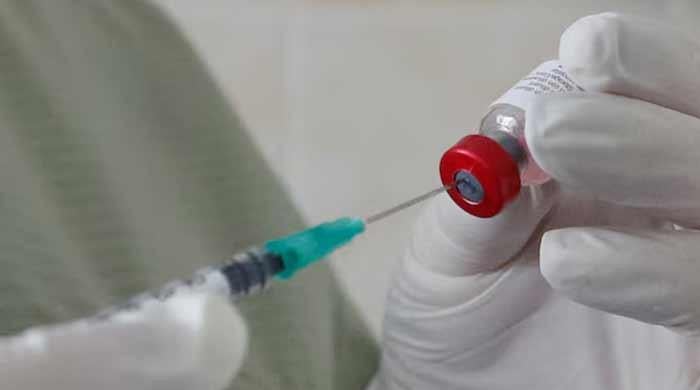
GPEI will also work more closely with other global health programmes, such as measles campaigns, and use strategies such as fractional dosing – where just a fifth of a vaccine dose is used to expand supplies and reduce costs, as studies have shown this still protects children from disease.
Some activities will stop
The partnership will reduce its work in lower-risk areas unless there are outbreaks, as well as focus on efficiency.
“Significant reductions in funding … mean that some activities simply won’t happen,” Jamal Ahmed, the WHO’s polio eradication director, told a news conference on Tuesday.
Eradicating the paralytic viral disease has been a global health goal for decades. Despite significant progress due to mass vaccination since 1988, ending the disease has proven difficult: the first missed deadline to do so was in 2000.
Some infectious disease experts have questioned whether it is possible to eradicate the disease, which often causes no symptoms, making it harder to track its spread. Advocates say it would be foolish to stop when the world is so close, despite challenges like conflict and vaccine reluctance.
“Eradication remains possible and is achievable,” Ahmed said. “We need everyone to stay engaged and ensure that no child is left behind.”
In 2025, there were 36 cases of wild polio in Afghanistan and Pakistan, the two countries where it remains endemic and where key activities will continue, GPEI said.
There have been 149 cases of the vaccine-derived form of the virus this year in countries including Nigeria. Cases of both forms have declined since 2024.
Vaccine-derived poliomyelitis can occur when children are immunized with a vaccine containing a weakened version of the live virus. They are protected, but the virus shed by these children can spread and mutate in an unvaccinated population.
a href=”https://www.geo.tv/latest/629935-ending-polio-still-possible-health-officials-say-as-funding-cut-by-30″>Source link