
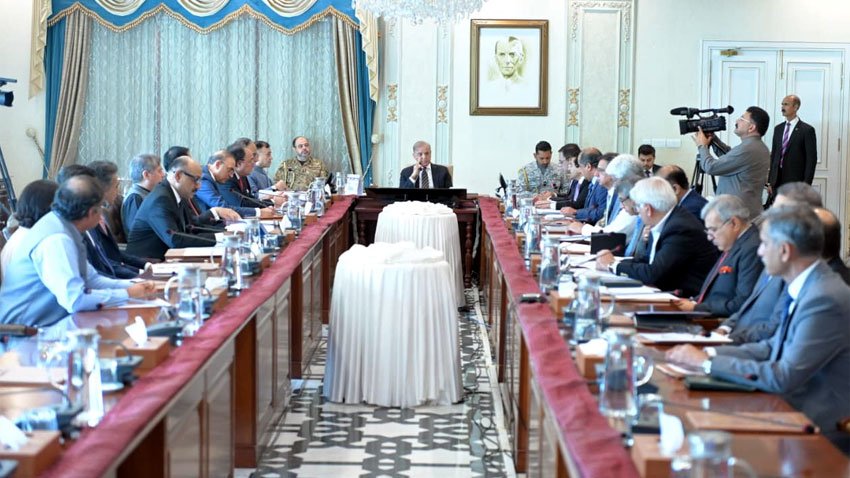
The Cabinet Committee on Energy has approved proposed amendments to the Pakistan Oil Refining Policy 2023 at a meeting in Islamabad chaired by Prime Minister Shehbaz Sharif (Radio Pakistan).
The prime minister said the upgrading of oil refineries constitutes a key pillar of Pakistan’s energy security framework, and that modern refineries would help meet growing energy requirements, reduce dependence on imported fuels and allow the production of environment-friendly fuels.
He also directed the introduction of reforms at the Oil and Gas Regulatory Authority to improve its performance and better meet market requirements, with the stated aim of promoting competition, transparency and investment in the energy sector.
Shehbaz said the amended policy should be implemented effectively and without delay, warning that negligence or unnecessary delay would not be tolerated, and directed the relevant ministries and institutions to accelerate the reform process in coordination with stakeholders.
The regulator being asked to reform itself is the same body now revising petroleum prices every 24 hours under the mechanism introduced on July 17 — a change that has drawn objections from petroleum dealers, who argue daily revisions create uncertainty for retailers and consumers alike.
Refining capacity has been a standing constraint on the import bill. Pakistan imports a substantial share of its refined product rather than crude, and the policy question has long been whether the domestic refining sector can be made attractive enough to invest in upgrades that would shift that balance.



