
- ISPDP funding aims to alleviate poverty among women and vulnerable families.
- The additional funding strengthens BISP’s capacity with climate-resilient measures.
- ADB has committed $52 billion to Pakistan since 1966 for economic development.
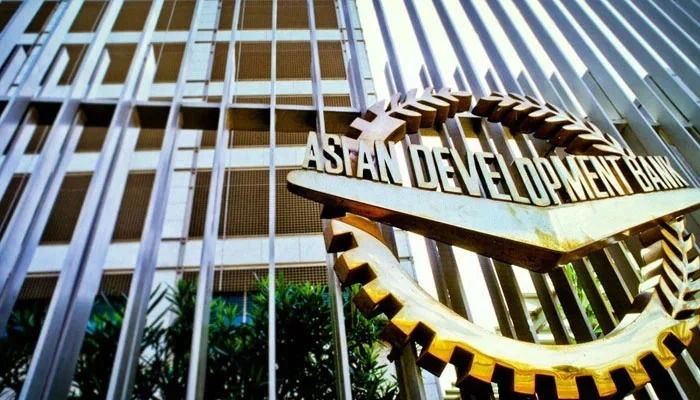
The Asian Development Bank (ADB) has approved additional financing of $330 million to strengthen Pakistan’s federal social protection initiatives, The News was mentioned.
Announced on Wednesday, the performance-based loan will support the ongoing Integrated Social Protection Development Program (ISPDP), boosting poverty alleviation efforts targeting underprivileged women and families at the grassroots level.
The initiative seeks to strengthen the Benazir Income Support Program (BISP), Pakistan’s flagship social welfare agency, by introducing adaptive and climate-resilient measures to modernize and expand its services.
This includes improving access to education for children and youth from poor families and increasing access to health services and food supplies for beneficiaries in disaster-prone areas.
“This program strengthens Pakistan’s efforts to improve human capital development and reduce intergenerational poverty, especially for women who are disproportionately affected during economic hardship,” said ADB’s Director General for Central and Western Asia Yevgeniy Zhukov.
“ADB’s additional funding will strengthen the government’s ability to reach more of the poorest and most vulnerable in Pakistan.”
The ISPDP, initially approved in December 2021, includes a $600 million loan from ADB’s regular resources, a $3 million grant from the Asian Development Fund, and $24.48 million in co-financing from the Education Above All Foundation.
The $627 million program, implemented in 2022, has achieved major milestones.
“The program is working well. It increased access to primary and secondary education for children and adolescents from poor families and improved access to health services and food supplies for women and adolescent girls,” said ADB Country Director for Pakistan Emma Phan.
“Steady progress has also been made in improving the financial management, procurement practices, internal controls and information management system for BISP, which implements cash transfer schemes.”
Pakistan was a founding member of ADB and since 1966, ADB has committed over $52 billion in loans, grants and other forms of public and private sector financing to promote inclusive economic development in the country.
This includes improvements to infrastructure, energy and food security, transport networks and social services.
The ongoing ISPDP aims to alleviate poverty among poor women and their families through three key outcomes:
Strengthening institutional capacity for social protection and climate resilience.
Improving access to primary and secondary education for children and adolescents from disadvantaged families.
Strengthening access to health services and food supplies for women, adolescents and children from poor families.
The additional $330 million in funding will expand the scope and coverage of the ISPDP, enabling BISP to deliver grassroots programs and services through an integrated system.
It will support access to educational pathways for children and youth from poor backgrounds and increase access to health and nutrition services for beneficiaries in disaster-prone areas, with a focus on improving poverty targeting.
Since the 1980s, Pakistan has experienced cyclical periods of high economic growth followed by crises. Periods of growth were often characterized by disproportionately high levels of imports, while exports as a share of GDP declined from a peak of 17% in 1992 to 10% in 2023.
This widening trade deficit put pressure on foreign exchange reserves, necessitating macroeconomic measures that slowed growth and reduced fiscal space for productive investment.
This boom-and-bust cycle has hindered the sustainable development of the economy and human capital, with Pakistan’s human capital outcomes becoming more comparable to those of sub-Saharan Africa than those of South Asia, the ADB report says.
a href=”https://www.geo.tv/latest/579156-adb-approves-330m-for-pakistans-poverty-eradication-efforts”>Source link



