
Chamber points to trade deficit, energy costs and weak investment despite easing inflation
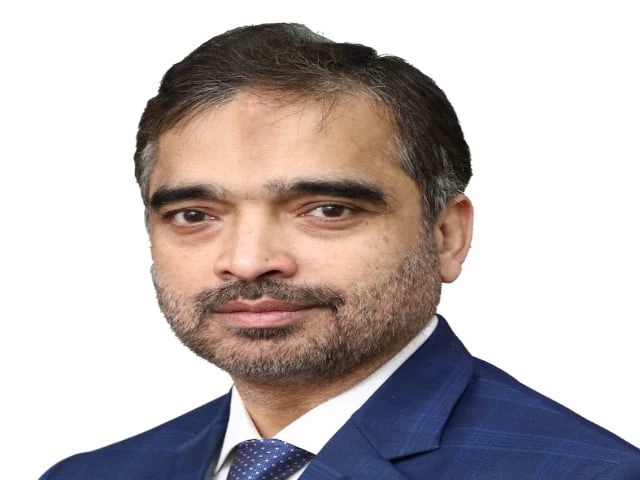
LCCI President Faheemur Rehman Saigol. photo (file)
LAHORE:
Lahore Chamber of Commerce and Industry (LCCI) president Faheemur Rehman Saigol has described 2025 as a year of gradual economic stability for Pakistan, but warned that major structural challenges still limit sustainable growth.
According to a statement issued on Tuesday, Saigol said several economic indicators improved during the year. However, issues such as the widening trade deficit, high energy costs, slow investment and a limited tax net remain serious obstacles for the economy.
Emphasizing ease of doing business, he said investors require predictable policies and lower costs to invest confidently in domestic industries. He expressed concern over high electricity prices, abuse of statutory regulatory mandates and delays in export policy reforms. He also called for the return of exports to the final tax regime to support exporters.
Saigol said the trade deficit remains a major challenge and requires urgent attention. He welcomed the recent privatization of Pakistan International Airlines, noting that its takeover by a Pakistani consortium reflects the growing capacity of local investors. He added that the privatization of other state-owned enterprises should continue.
Reviewing the broader trends, he said consistent policies, economic reforms and strong remittance inflows have helped improve the business climate and restore confidence for investment, exports and industrial activity.
He pointed out that remittances reached about $38.3 billion in 2024-2025, a 26 percent increase over the previous year, and are expected to approach $42 billion by the end of the year. Remittances during July-November FY2025-26 crossed $16 billion, showing a year-on-year growth of over 9%, according to official data.
Saigol said the strong inflows supported foreign reserves, stabilized the rupee and eased import pressures. It also reported a sharp fall in inflation, with average inflation falling to 4.5% from 23.4% a year earlier, easing pressure on consumers and businesses.
He noted improved market confidence, reflected in the KSE-100 index that topped 170,000, higher foreign exchange reserves and lower interest rates, which reduced borrowing costs. Despite a rise in IT exports, he said investment remained below expectations due to high energy costs. It concluded that sustained growth requires continued reforms in energy, exports and taxation.
a href=”https://tribune.com.pk/story/2584738/2025-marks-tentative-stability-but-structural-risks-persist”>Source link



