
State Bank reserves have reached a record $21.4 billion (Express Tribune).
The figures
| As of 11 September | | |—|—| | State Bank | $21.4bn — all-time high | | Commercial banks | $5.4bn | | Total liquid reserves | $26.8bn | | Weekly change (SBP) | +$3.061bn |
That was the largest weekly increase since 27 June 2025.
The comparison that should be made
The $21.4 billion is genuinely a record for the central bank. The $26.8 billion total remains slightly below the $27.1 billion peak of September 2021.
Those are different claims, and headlines this morning have used both numbers. A reader should know which is which: the record is at the State Bank, not in the country’s total liquid reserves.
The composition is nevertheless better than the 2021 mix — a larger share sits with the central bank, which is the buffer that matters for defending the currency.
What the prime minister said
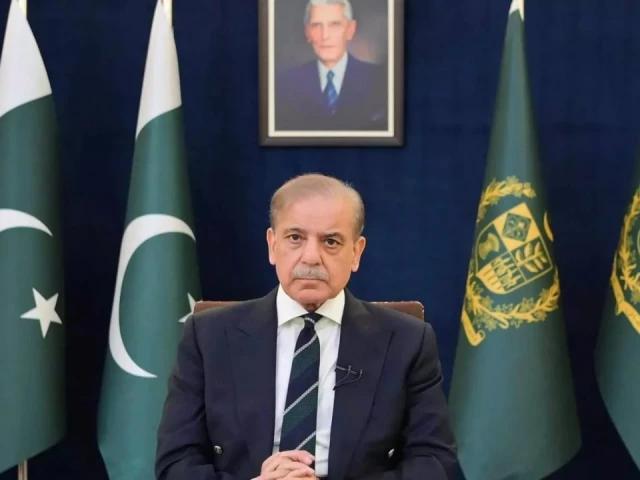
Shehbaz Sharif called it “a testament to the economic team’s hard work and measures taken in the right direction”, crediting improved remittances, services exports, a better current account and fiscal discipline.
What is actually carrying it
The current account, which this newspaper reported yesterday: a July-August deficit of $543 million, down 36 percent — achieved while the goods deficit widened 10.4 percent, and offset by $7.3 billion of remittances and services exports up 29 percent.
So the same qualification applies to the reserves as to the current account. This is an external position held up by money Pakistanis send home and services sold from desks, not by selling more goods abroad. It is real, and it is not the same thing as competitiveness.
The risk sitting underneath it
Nearly half of August’s remittances came from Saudi Arabia and the UAE, both currently absorbing missile and drone attacks. And a $3 billion jump in a single week invites the question of what produced it — inflows of that size are usually loans, rollovers or deposits rather than trade.
What is not established
The reporting does not identify the source of the $3.061 billion increase, which is the central question about it. No breakdown between borrowing, deposits and earned inflows has been published.
[Image: APP via The Express Tribune]


