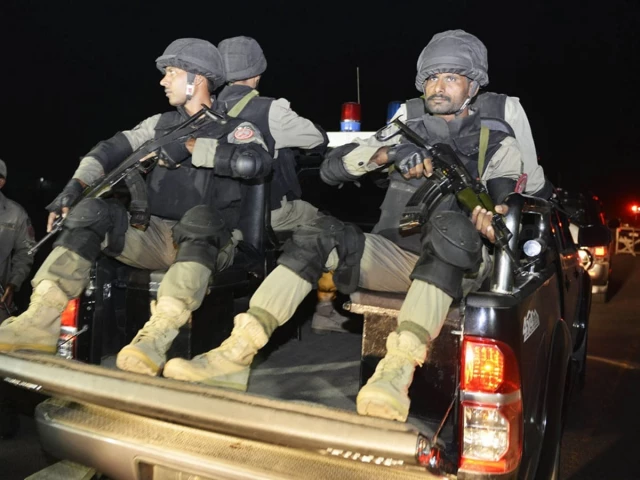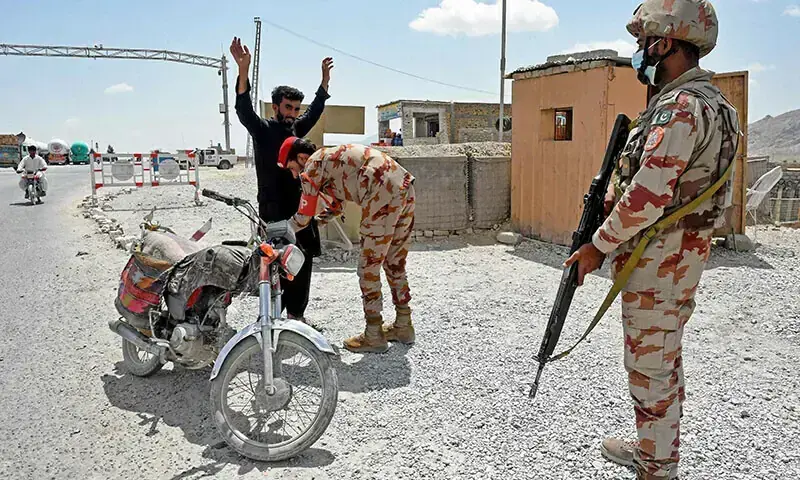
Operation Shaban entered its sixteenth day on July 20 with Pakistan Army, Frontier Corps and Balochistan Police units continuing operations across both the northern and southern fronts of the multi-district counterterrorism campaign launched on July 5 in response to coordinated attacks that killed 42 people across Balochistan, including 38 security personnel (Dawn; The Nation).
The cumulative toll from Operation Shaban and concurrent intelligence-based operations across Balochistan has exceeded 132 militants killed since July 5, based on the most recent figures issued by security sources. The ISPR has maintained throughout the operation that it will continue “until the last militant is eliminated.” The pattern of daily kills — consistently in single digits since the operation’s second week — reflects a methodical clearing operation through successive areas rather than the concentrated engagements of the campaign’s first 72 hours.
Operational context: monsoon and security overlap
The July 18–25 PMD forecast of heavy rainfall in northeastern Balochistan — specifically in Zhob, Sherani, Loralai, Musakhel, Kohlu, Sibi, Naseerabad, Khuzdar and Dera Bugti districts — adds a logistical dimension to the second week of the operation. Several of these districts are among the most active Operation Shaban zones. Heavy rainfall can complicate aerial ISR (intelligence, surveillance and reconnaissance) operations, restrict road movement for ground forces and create cover for militant movement.
NDMA has activated provincial disaster management protocols for the Balochistan rainfall period. The overlap between security operations and monsoon relief pre-positioning in the same districts — with the same ground infrastructure and in some cases the same provincial government resources — represents a concurrent demand on Balochistan’s administrative capacity at a moment when both are required simultaneously.
Operation Shaban’s longer-term significance, as assessed by The Diplomat and defence analysts at Quwa, lies in its unprecedented dual-front structure targeting both TTP cells in the Pashtun-majority north and BLA networks in the Baloch-majority south — a combination that requires distinct intelligence streams, command frameworks and post-kinetic stabilisation approaches for each threat actor.