We brokered a truce that wobbles within the week — a strait re-shut, a southern front aflame, an 80-minute pause. Aflatoon asks what honour a peacemaker keeps when the parties resume the quarrel he stilled.
The young man on Constitution Avenue met me again, and this time his gladness had a crack in it. “We made the peace,” he said, “yet within a week the strait is shut again, the south of Lebanon burns, and the great men sat together for barely eighty minutes before rising from the table.” He asked, almost wounded: was our triumph a mirage? I told him no — but that he had confused two different things, and the confusion is an old one.
There is a difference, I said, between making a peace and keeping one. To make a peace is the work of an afternoon and a signature; to keep it is the work of years and of two wills that must each, every morning, choose again not to strike. The broker can accomplish the first. The second he cannot accomplish for them, however much honour he spends in the trying.
To make a peace is the work of an afternoon and a signature; to keep it is the work of two wills choosing, every morning, not to strike.
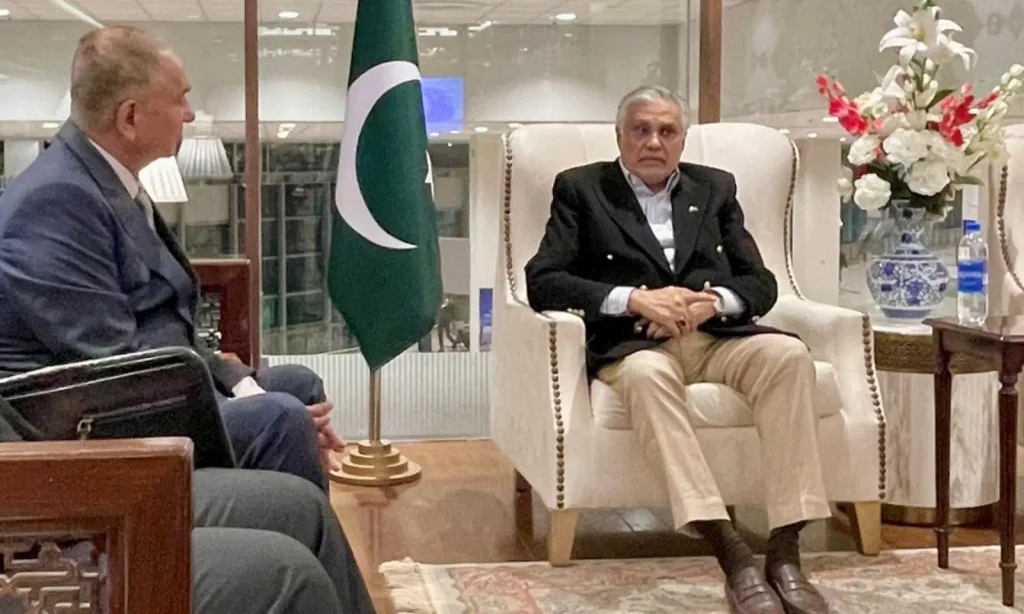
Consider what our envoys actually did. They brought a man from Washington and a man from Tehran into one room and kept them there — no small marvel, for those two had been hurling fire at each other only days before. That is the broker’s proper craft: not to command the quarrel’s end, which is beyond any third party, but to build the room, set the table, and refuse to let either man leave in anger. When the session paused after eighty minutes, the cynics called it failure. I call it the ordinary friction of two proud states learning, slowly, to share a sentence.
But let us not flatter ourselves either. A truce that a single night’s air raid can imperil was never a settlement; it was a ceasefire wearing a settlement’s clothes. The strait that closes the moment a grievance flares was never truly opened — it was lent, on conditions, by a party that kept the key. The wise broker knows this and says it plainly, rather than mistaking the applause of the signing for the substance of the thing.
A truce a single night’s raid can imperil was never a settlement; it was a ceasefire wearing a settlement’s clothes.
So what, then, is the honour in it? This: that to stand between two who wish to destroy each other, and to hold them apart even for a week, is to have saved whatever lives that week contained. The broker is not the author of the peace; he is its midwife, and a midwife is not shamed when the child proves difficult to raise. Our task was never to guarantee that Washington and Tehran would love one another. It was to give them a table to return to when the next night’s fire has burned itself out — and that table, for now, still stands.
I told the young man to hold his pride and his patience in the same hand. Be proud that the room exists; be patient, because rooms are not treaties, and treaties are not friendships, and friendships between states are the slowest-growing things on earth. We did a true and difficult thing. Whether it endures is no longer ours to decide — and a people grows up the day it learns the difference between what it can do and what it can only offer.
Aflatoon (افلاطون) is The Pakistan Daily’s columnist in Intellectual Voices. This column is opinion and analysis, not reporting; the views are the columnist’s own.