September 21, 2026
Gold Holds at Rs460,236 as Fuel Stays Flat a Third Day
Gold was unchanged at Rs460,236 a tola and fuel prices held for a third day, with the KSE-100 opening the week from Friday's close of 170,884.59.

September 21, 2026
Gold was unchanged at Rs460,236 a tola and fuel prices held for a third day, with the KSE-100 opening the week from Friday's close of 170,884.59.
September 20, 2026
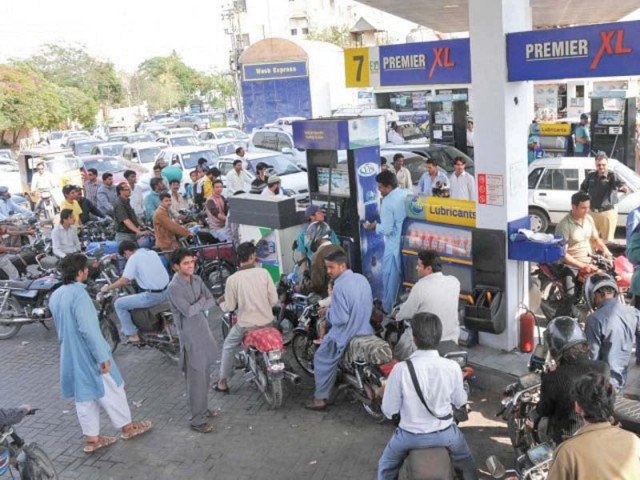
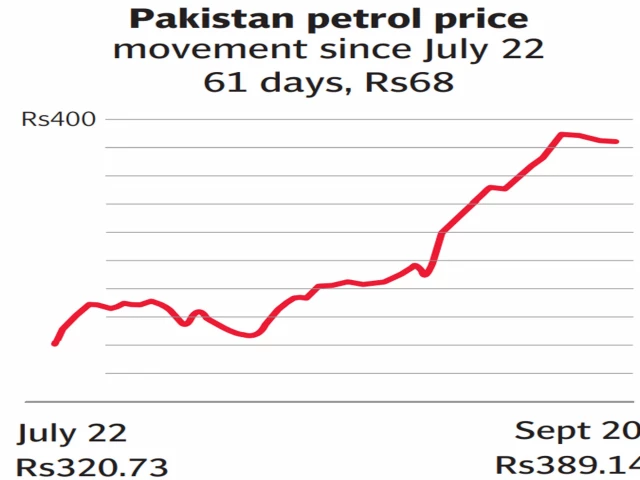
Petrol and high-speed diesel were unchanged at Rs389.14 and Rs424.04, with PSO still showing the 19 September notification. Gold eased Rs100 a tola to Rs460,236.
September 19, 2026
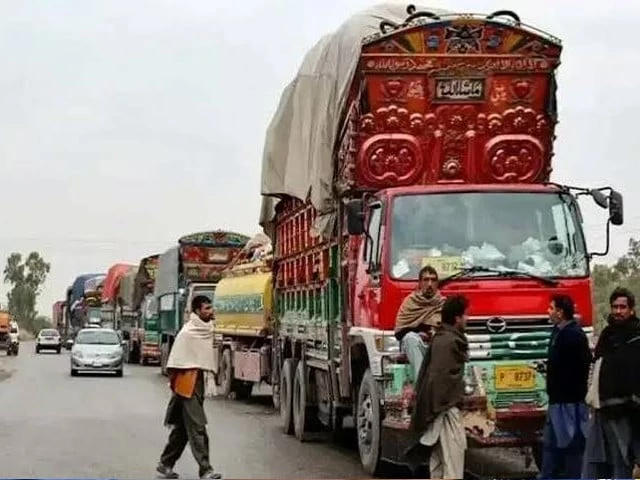
Petrol fell Rs1.65 to Rs389.14 a litre and high-speed diesel Rs0.88 to Rs424.04, the first decrease for diesel since the run of increases began on 7 September.
September 18, 2026
Petrol fell 43 paisa to Rs390.79 a litre, the first decrease of the run, while high-speed diesel rose Rs3.47 to Rs424.92. Brent has fallen for a third day to $104.
September 17, 2026
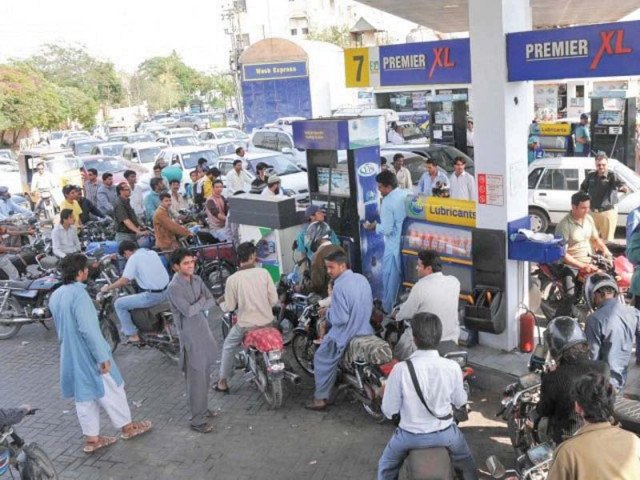
Petrol rose Rs6.88 to Rs391.22 a litre and high-speed diesel Rs5.62 to Rs421.45. Since 7 September petrol is up Rs45.35, a rise of 13.1 percent in eleven days.
September 16, 2026

Petrol rose Rs4.10 to Rs384.34 a litre and high-speed diesel Rs6.41 to Rs415.83. Since 7 September petrol is up Rs38.47 and diesel Rs37.78, a rise of about 10 percent each.
September 15, 2026

Petrol rose Rs4.42 to Rs380.24 a litre and high-speed diesel Rs6.10 to Rs409.42 from today, ending a two-day pause. Petrol is up Rs34.37 since 7 September.
September 14, 2026

Petrol remained at Rs375.82 a litre and high-speed diesel at Rs403.32 for a second day, according to PSO's published rates, even as Brent crude climbed above $107.
August 17, 2026
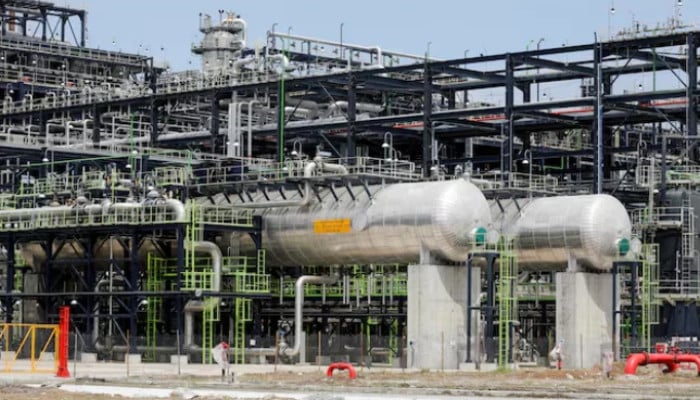
Petroleum Minister Ali Pervaiz Malik is to introduce the Natural Gas (Development Surcharge) (Amendment) Bill 2026, seeking stronger recovery powers from defaulting consumers as gas-sector circular debt crosses Rs3.5 trillion.
June 23, 2026

Brent settled near $77 and US benchmark crude dipped to about $73 on Tuesday as tankers kept moving through the strait despite Tehran's standing shutdown declaration, while elevated war-risk premiums keep Pakistan's fuel costs above pre-war norms.
 Editor — Hamza Azhar Salam · Write to us with suggestions or tips