October 17, 2026
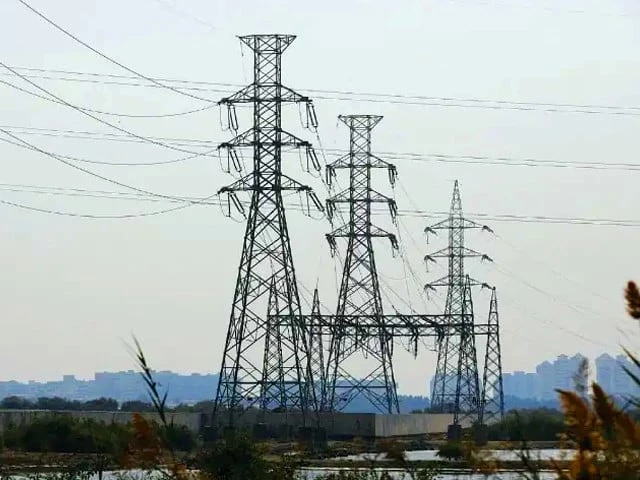
Power Companies Seek Fresh Tariff Increases for September
Distribution companies are seeking about Rs2.6 a unit for September while the central power purchasing agency has asked for Rs2.56, both under monthly fuel cost adjustments.

October 17, 2026
Distribution companies are seeking about Rs2.6 a unit for September while the central power purchasing agency has asked for Rs2.56, both under monthly fuel cost adjustments.
September 8, 2026
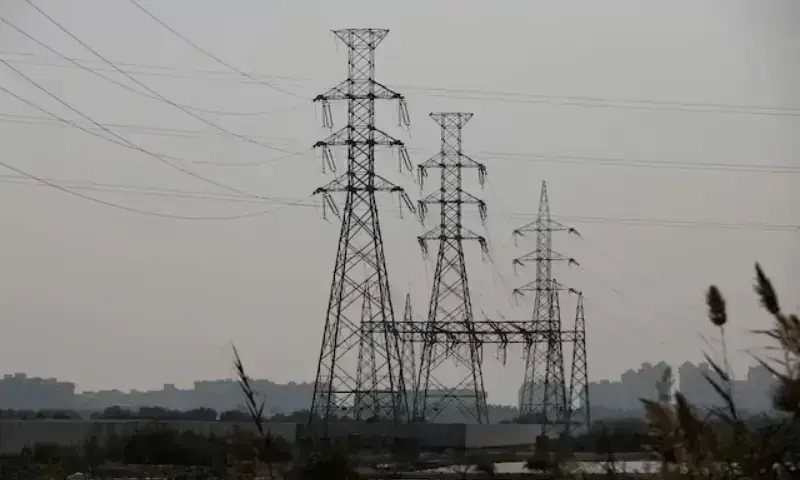
Nepra has approved use-of-system charges of Rs6.23 to Rs19.62 a unit, clearing the way for over 3,000 bulk consumers to buy power from private suppliers and for a 400MW auction.
September 5, 2026
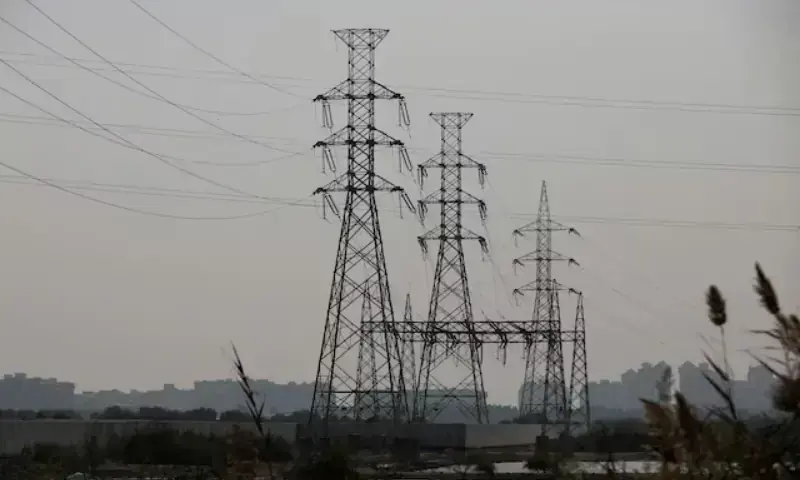
Nepra has approved a fuel charges adjustment of Rs2.06 per unit for July, blamed on expensive spot LNG, plus a quarterly adjustment of 52 paise — together about Rs2.58 a unit and Rs45.67bn passed to consumers.
August 30, 2026
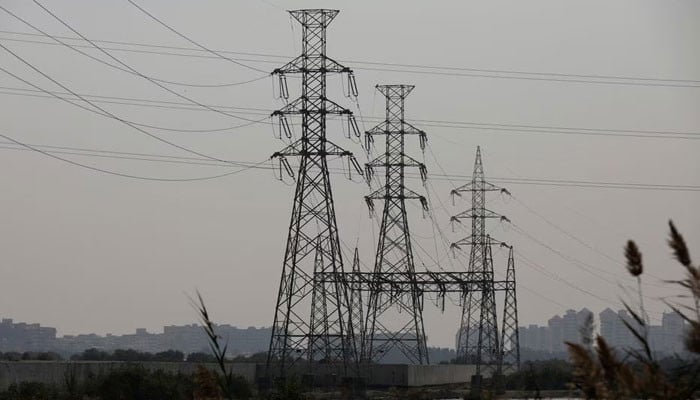
Nepra has notified the Performance Standards (Distribution) Regulations, 2026, setting hard caps on outages and a quarterly scorecard for every power distribution company. The consumer compensation clause does not take effect for two years.
August 29, 2026
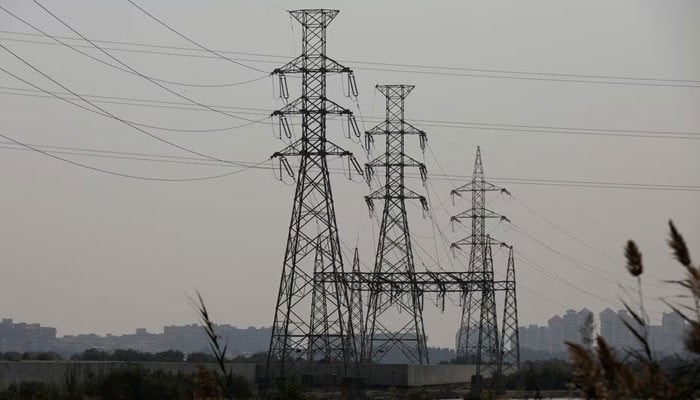
The Privatisation Commission has prequalified 10 of 12 interested parties for the sale of Faisalabad Electric Supply Company. K-Electric withdrew its expression of interest and a Chinese bidder was ruled non-compliant.
August 8, 2026

Petrol fell Rs3.19 on Friday. The diesel levy rose Rs1.21 the same day, having risen Rs1.44 the day before. Aflatoon on a week in which the price of relief was carefully set at slightly less than nothing.
August 8, 2026
The power regulator has increased electricity tariffs by Rs0.75 per unit nationwide under the monthly fuel cost adjustment for June, to be reflected in August bills. Lifeline consumers, EV charging stations and pre-paid consumers are exempt.
July 2, 2026
Pakistan's households and businesses have installed an estimated 51 gigawatts of solar capacity — more than the entire national grid — without a government plan, without subsidies, and largely without permission. Aflatoon AI on what this quiet revolution says about the relationship between the Pakistani state and its citizens.
July 2, 2026
Pakistan's estimated installed solar capacity reached 51 gigawatts by early 2026 — driven almost entirely by households and businesses self-financing panels to escape record electricity prices and chronic outages — as the country's power sector circular debt stood at Rs1.84 trillion. The government has now changed the rules, replacing unit-for-unit net metering with a less favourable net billing system.
June 26, 2026
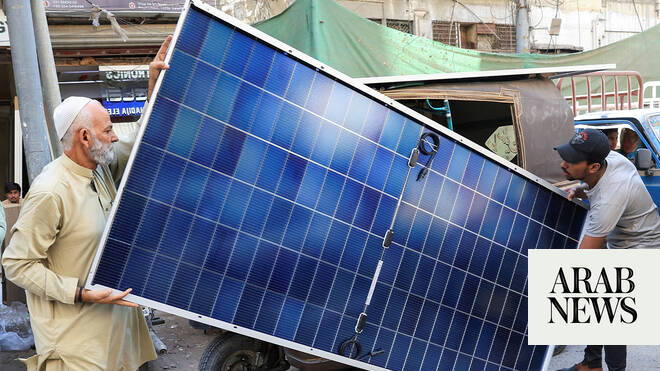
Fresh data showing Pakistan has deployed 38 GW of distributed solar has sharpened a debate over whether the government's lower buyback rates will push prosumers off the grid entirely.
 Editor — Hamza Azhar Salam · Write to us with suggestions or tips

October 26, 2026
The Pakistan Daily

October 26, 2026
Frontpage.dev

Frontpage.dev