October 17, 2026
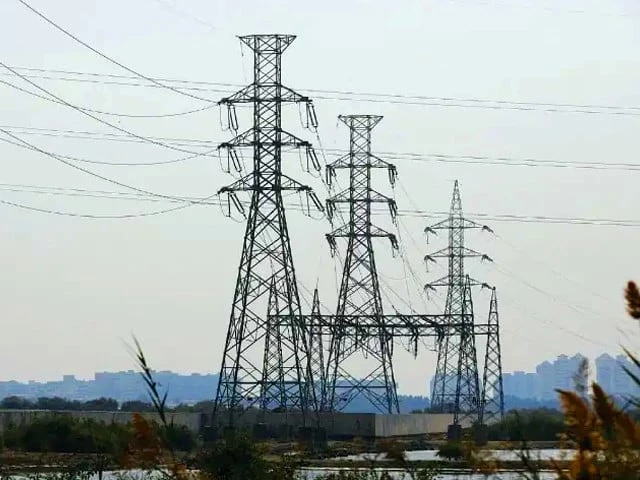
Power Companies Seek Fresh Tariff Increases for September
Distribution companies are seeking about Rs2.6 a unit for September while the central power purchasing agency has asked for Rs2.56, both under monthly fuel cost adjustments.

October 17, 2026
Distribution companies are seeking about Rs2.6 a unit for September while the central power purchasing agency has asked for Rs2.56, both under monthly fuel cost adjustments.
October 6, 2026
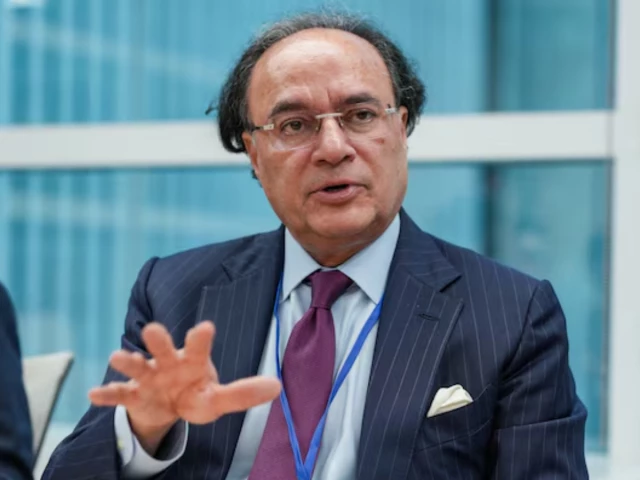
A finance ministry report puts state-owned enterprise debt at Rs10.1 trillion — Rs7.1 trillion more than the State Bank reports for the same borrowers.
August 17, 2026
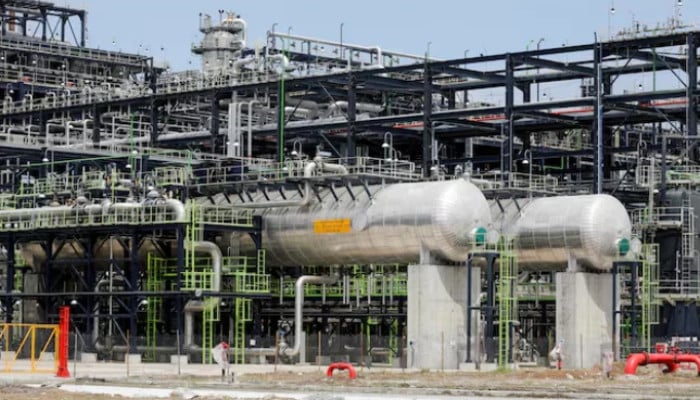
Petroleum Minister Ali Pervaiz Malik is to introduce the Natural Gas (Development Surcharge) (Amendment) Bill 2026, seeking stronger recovery powers from defaulting consumers as gas-sector circular debt crosses Rs3.5 trillion.
August 10, 2026
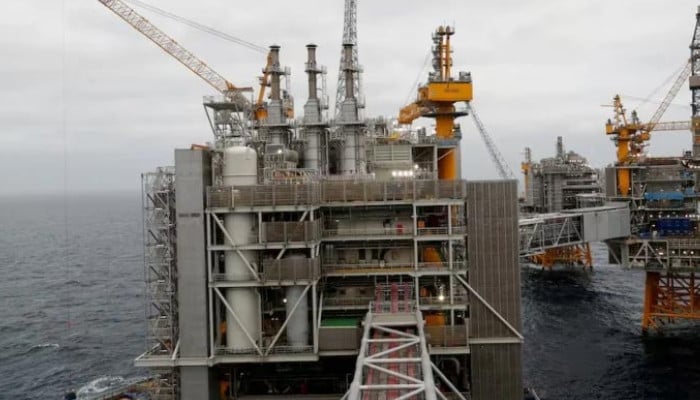
Ali Pervaiz Malik says Turkish Petroleum will soon begin offshore drilling in Pakistan's territorial waters. He put import dependence at about 90 per cent of energy needs, with domestic output near 70,000 barrels a day against demand of about 500,000.
July 13, 2026
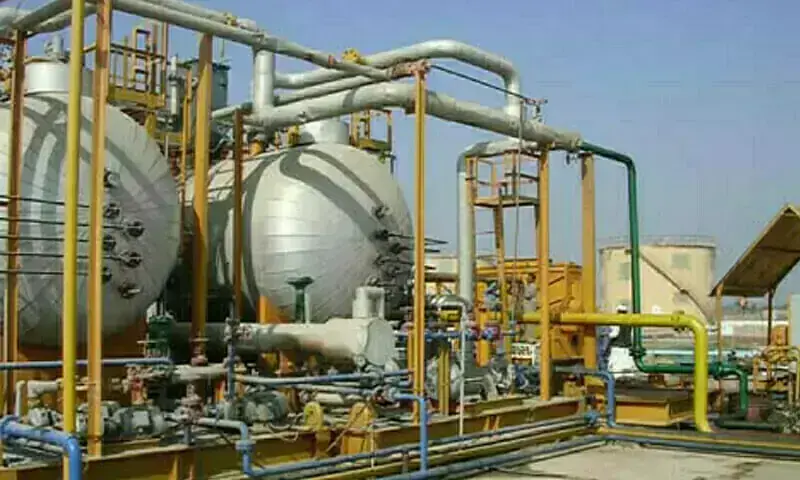
Pakistan has missed the July 1, 2026 IMF deadline to notify revised gas tariffs — a structural benchmark under its $7 billion Extended Fund Facility — as gas sector circular debt reached Rs3.44 trillion. The delay is attributed to a legal dispute over the OGRA chairmanship and volatile global energy prices, with officials characterising it as a "technical breach." SNGPL alone carries Rs819 billion in gas circular debt and was unable to repay a Rs50 billion bank loan taken for LNG payments.
July 2, 2026
Pakistan's households and businesses have installed an estimated 51 gigawatts of solar capacity — more than the entire national grid — without a government plan, without subsidies, and largely without permission. Aflatoon AI on what this quiet revolution says about the relationship between the Pakistani state and its citizens.
July 2, 2026
Pakistan's estimated installed solar capacity reached 51 gigawatts by early 2026 — driven almost entirely by households and businesses self-financing panels to escape record electricity prices and chronic outages — as the country's power sector circular debt stood at Rs1.84 trillion. The government has now changed the rules, replacing unit-for-unit net metering with a less favourable net billing system.
June 25, 2026
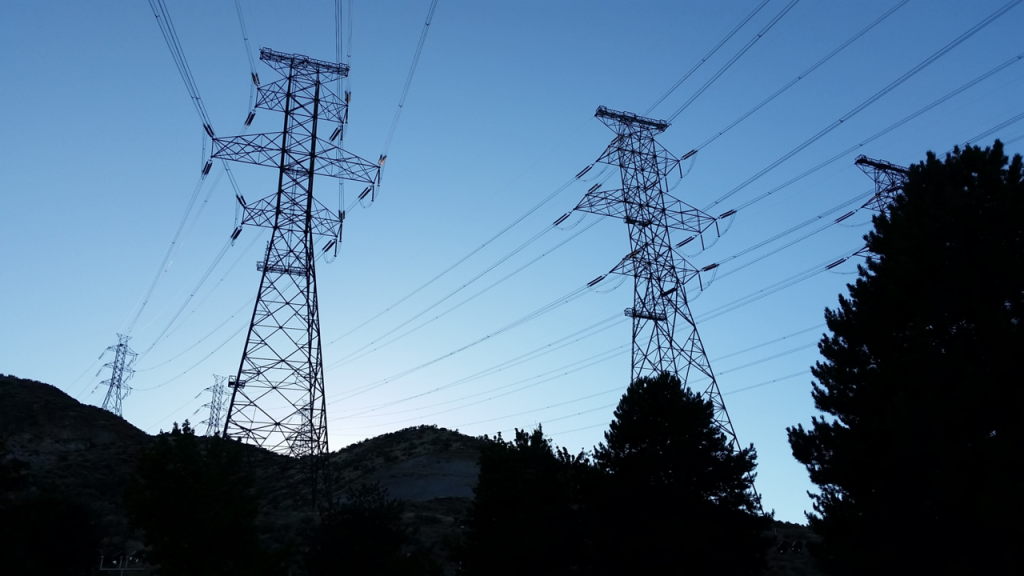
A Rs1.99-per-unit quarterly cut offers households a brief reprieve, but Fund-mandated tariff hikes and a Rs830 billion subsidy cap loom over the FY2026-27 budget.

Revolving debt stood at Rs 1.817 trillion in October, from Rs 1.614 trillion in June this year An employee counts Pakistani rupee notes at a bank in Peshawar on August 22, 2023. Photo: Reuters Islamabad: With the government forecasting an alarming Rs491 billion rise in cyclical debt within six months, a cabinet on Thursday approved 200 billion rupees in energy subsidies to keep debt flows within limits agreed with the International Monetary Fund. The Financial Coordination Committee of the Cabinet which took the decision also approved Rs 11.5 billion for discretionary spending on MPs’ programs in complete disregard for the
Islamabad: Ishaq Dar, Chairman of a high-level committee on oil and gas, on Monday rejected a framework proposed by the Petroleum Directorate to share discovered gas with third parties and said categorically that the government will not “rewrite a policy” that has already approved. by the Council of Common Interests (CCI). The Petroleum Directorate presented four proposals to share 35% of gas discovered by exploration and production (E&P) companies to third parties. In the first sentence, he said, the allocation policy should be applied to those sectors that are depleting. However, the policy should not apply to existing oil and
 Editor — Hamza Azhar Salam · Write to us with suggestions or tips

October 26, 2026
The Pakistan Daily

October 26, 2026
Frontpage.dev

Frontpage.dev