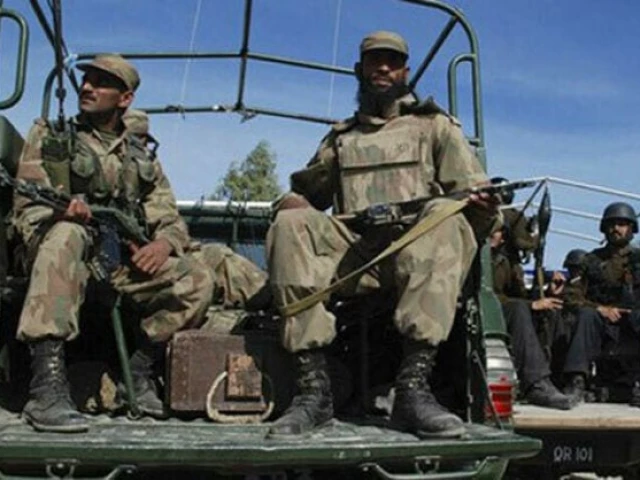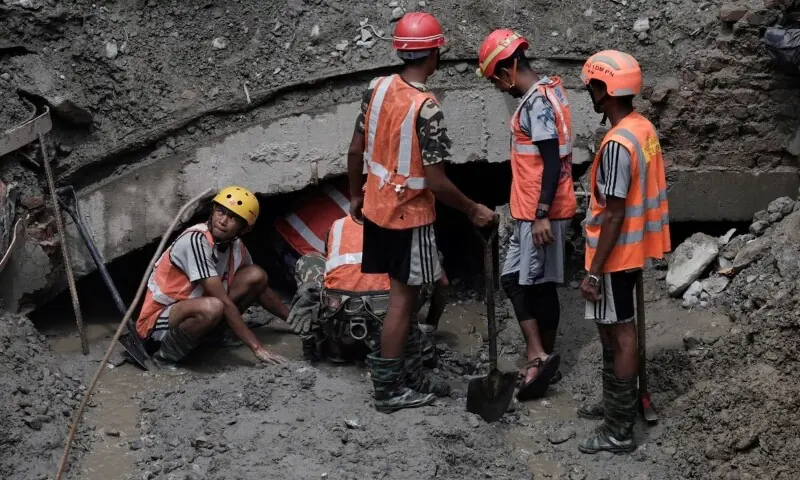
Two workers have been pulled alive from a flooded hydropower tunnel in Rasuwa, Nepal, more than a week after the flash floods of 26 August (Dawn).
Who they are
– Sanjay Shah, 30, a mechanical foreman – Kabir Maharjan, 45, a mechanical supervisor
Both were recovered from the Trishuli 3A Hydropower Station tunnel. Video showed Shah being helped to his feet by rescuers; Maharjan was carried out on a stretcher, caked in mud, his hands pressed together in prayer.
What the rescue expert said
Arnold Dix, the rescue specialist advising the operation: “Right now, I’m ‘glass three-quarters full’… After a week of 24/7 heartache, we might, just, be back in miracle country.”
Dix is the tunnelling expert who led the successful 2023 Silkyara rescue in India, which is why his assessment carries weight — and why the hedging in it is worth noting.
How many are still down there
The government has believed that more than 100 workers could still be alive across multiple tunnels. Searches continue at Trishuli 3A and other sites.
That figure should be read as hope rather than count. Nobody has established how many people were underground when the water arrived.
The wider toll
More than 1,250 bodies have been recovered. More than 5,000 people remain missing — a figure that has risen since this newspaper reported 4,216 missing in Nepal on 3 September.
Why the tunnels
Nepal’s hydropower build-out put construction crews inside mountains directly beneath the glacial valleys that failed. Fourteen hydropower and solar projects with a combined capacity of around 748 megawatts were affected.
That is the disaster’s particular cruelty: the workers were underground precisely because the country was building the infrastructure meant to reduce its dependence on imported energy.
[Image: rescue team members work to enter the tunnel at the Upper Trishuli 3A Hydropower Station in Rasuwa, Nepal, on 3 September. Reuters, via Dawn.]
[Image: Reuters via Dawn]