
PUBLISHED December 19, 2024
Music merchandise has long been an essential element of artist branding, with fans flocking to concerts and online stores to purchase items ranging from t-shirts to tote bags featuring their favorite artists.
Historically, it was a way for fans to show their support beyond the confines of an arena. However, in recent years, the commodity has evolved into much more.
Today, it’s not just about showing fandom, it’s about making a fashion statement.
“Merch is experiencing an explosion of popularity right now,” says Katie Devlin, assistant fashion trends editor at Stylus. “It is a market that is expanding and evolving very quickly. Everything from grocery bags to soccer jerseys have become portable signifiers of cultural capital and act as a material manifestation of our preferences and interests.
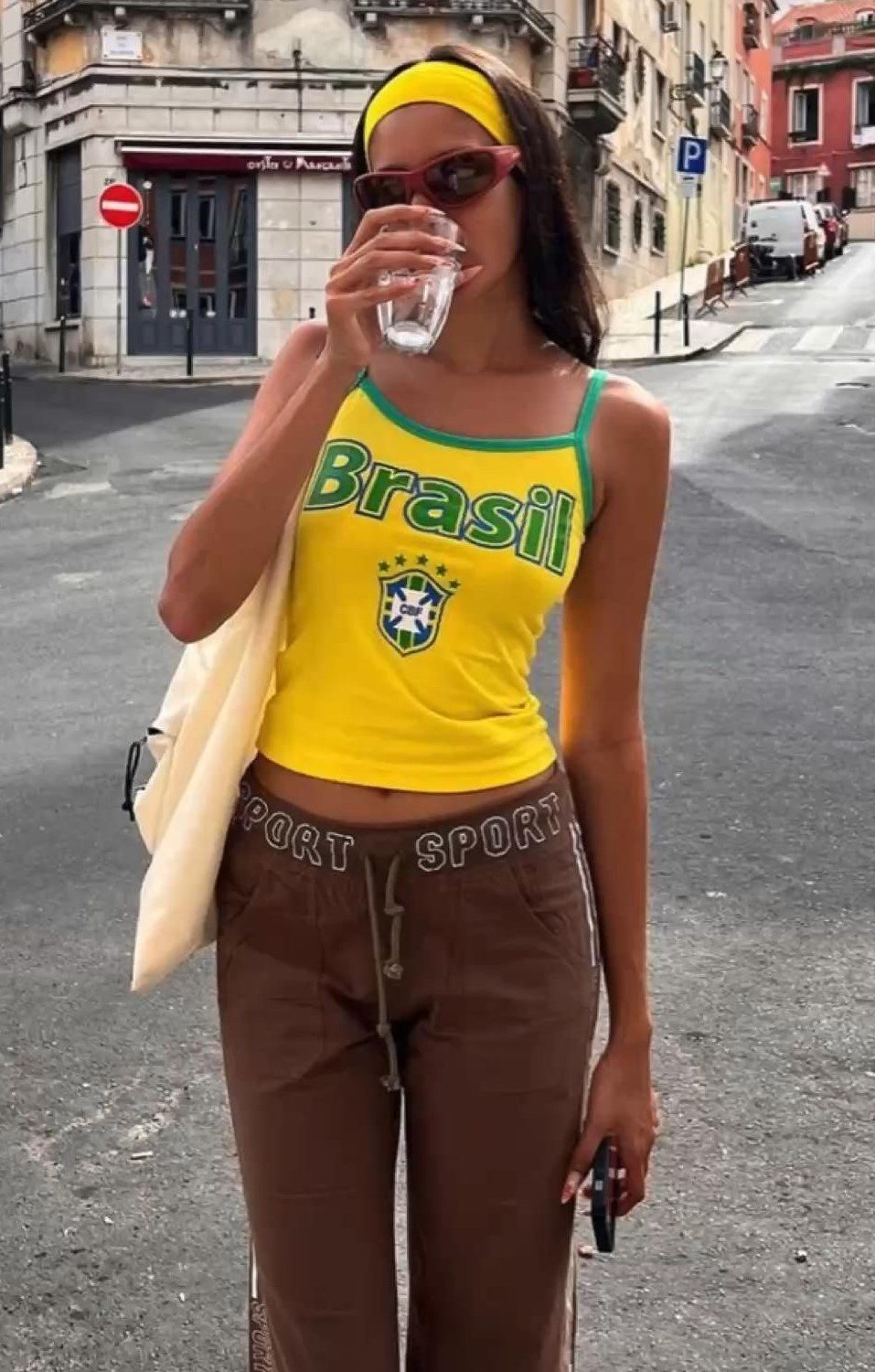
In music, this means artists need to become more creative and innovative with their merchandise as consumers continue to seek exciting sartorial pieces.”
The rise of trendy, tour-related merchandise was impossible to ignore. From Charlie XCX’s “Brat” baby t-shirts to Sabrina Carpenter’s glittery “Please Please Please” makeup mirrors, it’s clear that artists are investing heavily in expanding their brands in creative ways. According to Alexandra Nikolajev, head of partner marketing at Pinterest, “One of the most successful ways artists can build relationships with their fans is through commerce. It’s an extension of who that artist is and what they represent creatively.
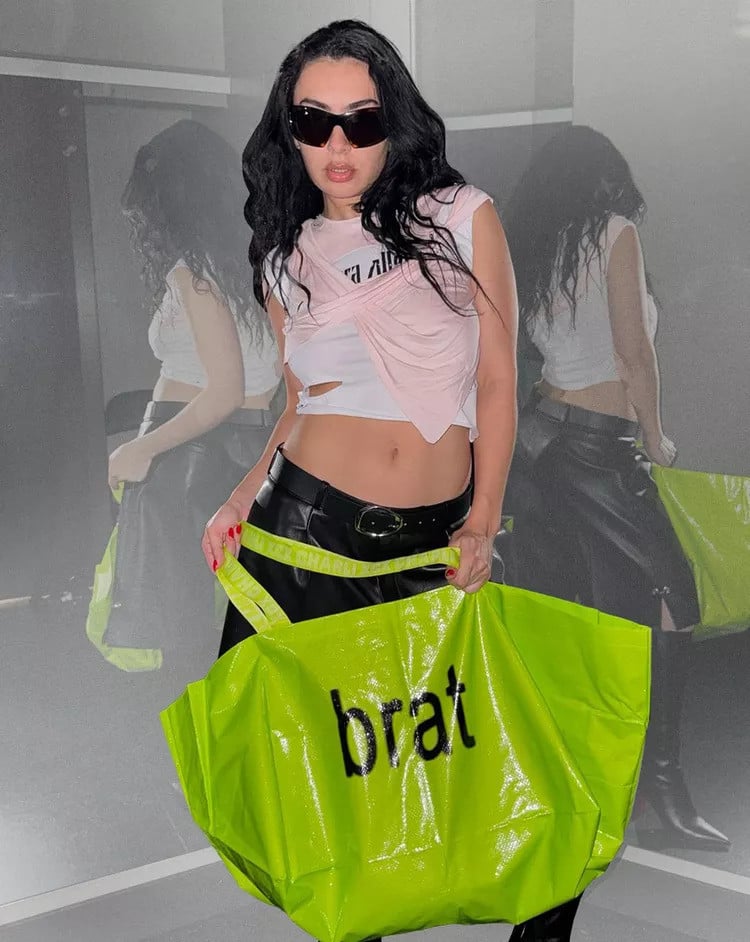
Byrdie/Charli XCX
When a person has this tangible product, it creates a sense of closeness to that celebrity. Beyond that, merchandise creates a sense of community with other fans. What happens when you see someone wearing a t-shirt of your favorite band or a sticker on their laptop? It’s an instant conversation starter. feed that passion and start fan clubs, social media engagement, fan cams, ticket sales, etc.”
The Evolution of the Commodity
The birth of product licensing dates back to the 1950s, marking the beginning of a new era in music and celebrity branding. Henry G. Saperstein, an American film producer, collaborated with Elvis Presley to create t-shirts, jewelry, jeans, and even soft drinks with the King’s face and lyrics.
By the 1960s, musicians such as the Grateful Dead commissioned iconic designs, including Stanley Mouse’s skull and roses logo, which became synonymous with their merchandise. The Rolling Stones followed suit in the 1970s with John Pasche’s now famous tongue design. Likewise, Ace Frehley of KISS designed their logo, and later appeared on their first merchandise collection.
As the 80s and 90s ushered in the rise of hip-hop, rap t-shirts emblazoned with logos and artist faces became synonymous with hip-hop culture. The 2000s saw pop stars like Britney Spears and Christina Aguilera embrace licensed merchandise in all forms. Since the 1950s, the merchandise market has only grown, with the Global Licensing Industry Study reporting that global sales of licensed merchandise and services will reach $356.5 billion in 2023, up from $340.8 billion in 2022.
“Merch is a really important revenue stream for artists,” says Devlin. “The cost of touring has risen exponentially in recent years, so merchandise has become an integral part of an artist’s output, and consumer demand for it is high.”
Shift in consumer demand
While the music merchandise industry has grown, there has been a noticeable shift, particularly in the 2010s and 2020s. Today, fans are no longer satisfied with generic mass-produced products that feel like cash grabs. They want unique, fashionable items that reflect the authentic style of their favorite artists. “Fans don’t just want t-shirts with their idol’s faces or album covers on them; they want to dress like them and emulate their style, whether that’s their personal style or their stage costumes,” says Devlin . “Artists are quickly realizing that creative self-reference is important to producing commercial products, and so are prioritizing trendy statement pieces that reference favorite lyrics or talk about fandom anecdotes.”
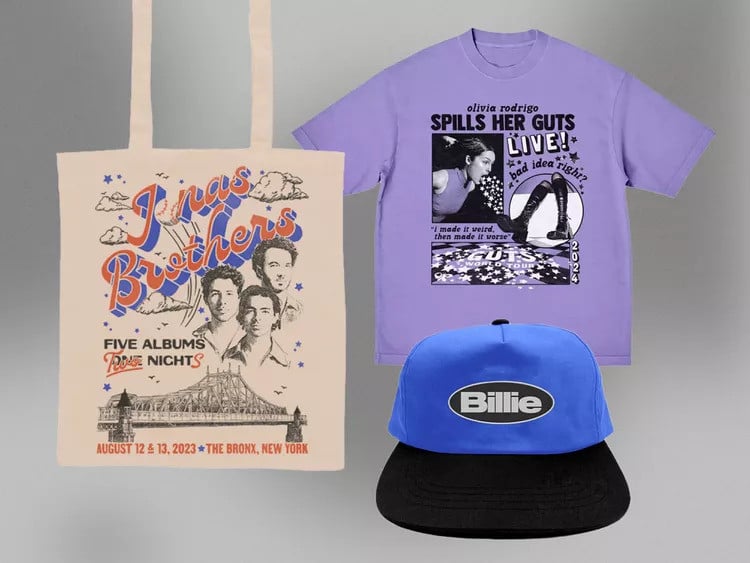
Birdie
Musicians like Kanye West (now Yé) are known for pushing the boundaries of tour merchandise, with fashion pieces like the Yeezus Tour Tees. Other artists like Beyoncé have also harnessed the power of premium merchandise, offering coffee table art books for her Renaissance and Cowboy Carter albums. “Merch should represent a celebrity’s public persona,” says Nikolajev. “Fans must believe that the merchandise reflects the artist and that they had some creative input into the design, style and functionality.”
Gen Z and the new wave of merchandise
Today’s artists, especially those from Gen Z, are adding their own flair to branded merchandise. Billie Eilish, for example, offers oversized pieces such as loose t-shirts and sweatshirts, reflecting her signature style. Olivia Rodrigo’s merchandise line, meanwhile, features sequin skirts and cropped tanks that embody her pop-punk aesthetic. “I think there’s been a shift in Gen Z’s personal style compared to previous generations, and they’re taking a more casual approach to their aesthetic,” says Nikolajev.
The role of social media
Social media has been instrumental in elevating the music business to its current state. With platforms like TikTok where fans share their merchandise, the hype around limited edition items has skyrocketed.
“There’s the growing power of fandom to thank, especially with platforms like TikTok where fans are more connected than ever,” explains Devlin. “Merchandise can be seen as a kind of status symbol among fans, who scramble to get their hands on limited-edition pieces or sold-out items.”
Pinterest data further shows the increase in interest, with search results for “Olivia Rodrigo merch” increasing by 288% and “Billie Eilish poster” by 95% from July 2023 to July 2024. “The growing interest shows how important it is for artists to continue to invest in their community,” says Nikolajev. “Now, more than ever, fans want to feel close to their loved ones performer, whether by purchasing goods or otherwise’.
What’s next for music merchandise?
Industry leaders and consumers alike are excited about the continued evolution of music merchandise. “There’s an opportunity here for artists to deepen their relationship with their fans by offering new and improved ways to connect with them,” says Nikolajev. “To me, this change is a two-way street. It’s not just about the artist hoping to keep up with their fans and, yes, make money while doing it, but it’s also in response to how fans are asking for their favorite artists to deal with them”.
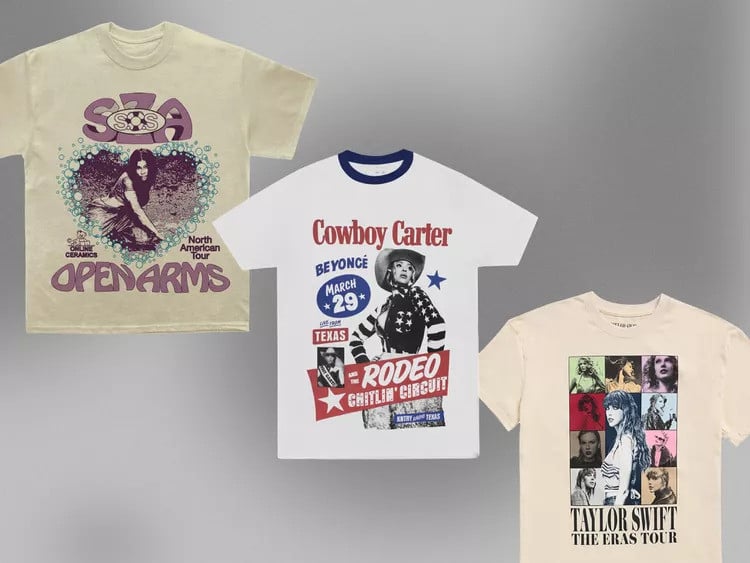
Birdie
With artists such as Taylor Swift, Beyoncé, SZA and the Jonas Brothers recently wrapping up their tours, carefully curated merchandise has become an essential part of their offerings. And with upcoming tours from artists like Dua Lipa and Avril Lavigne, the trend shows no signs of slowing down.
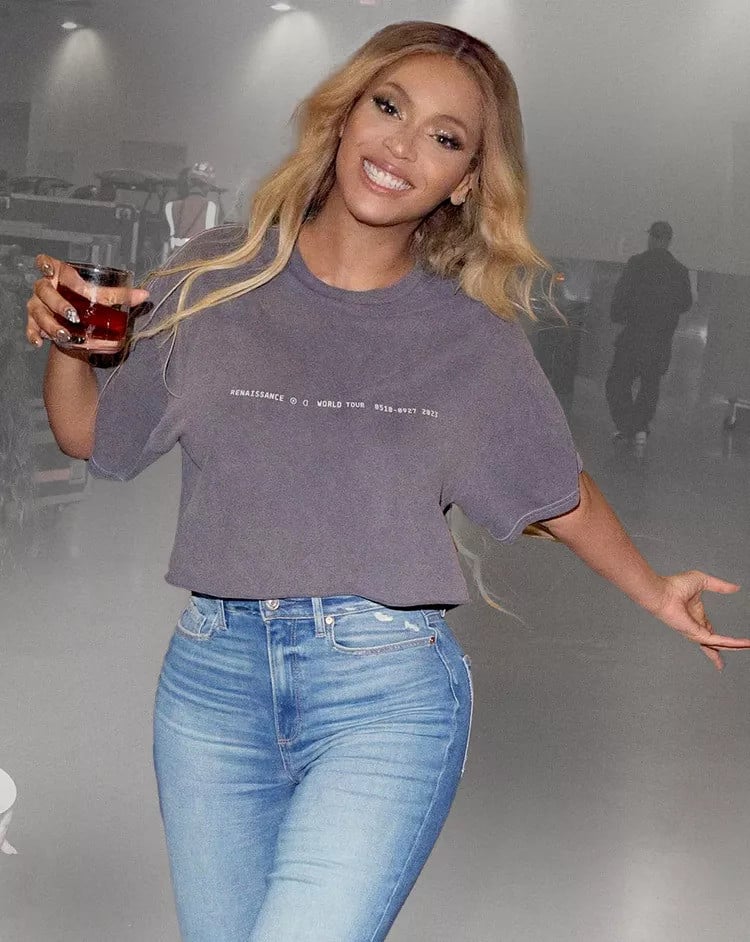
Byrdie/ Courtesy of Beyonce
“As artists experiment with new approaches and designs, we’re starting to see them take a more playful, innovative approach to merchandise,” says Devlin. And with exclusivity playing a key role in driving demand, “exclusivity is the most important factor,” adds Nikolajev. “People like to feel special, so while the range of merchandise has expanded for many artists, there’s still a hook for fans when quantities are limited.”
a href=”https://tribune.com.pk/story/2517076/music-merch-is-having-a-major-comeback-moment-right-now”>Source link


