Iran’s Deputy Foreign Minister Kazem Gharibabadi announced on July 18 that Tehran was suspending all commitments under the Islamabad Memorandum of Understanding, the Pakistan-brokered framework that had provided the only formal de-escalation structure between the United States and Iran since June (Al Jazeera; The New Arab; Daily Parliament Times).
“We have suspended our commitments and are currently focused on defending the country,” Gharibabadi said, accusing Washington of having “violated and suspended all its commitments” within the MoU framework. Iran’s Health Ministry reported 50 people killed and more than 500 injured in US strikes since July 6.
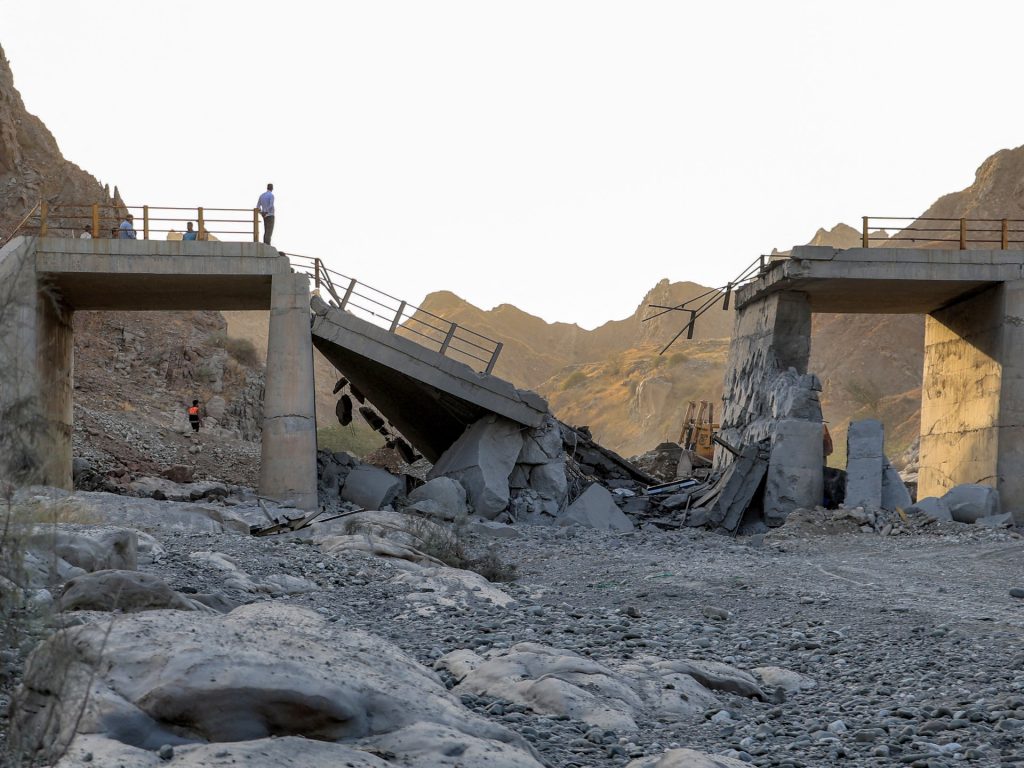
The announcement came hours after the US military’s Central Command completed an eighth consecutive night of raids on targets across Iran. Previous nights of US strikes have hit Iranian coastal defences, bridge infrastructure, and the Jask desalination plant in Hormozgan Province — with the Jask strike disrupting water supplies to approximately 10,000 people in surrounding villages.
Iran responded to the latest night’s strikes by attacking water and power infrastructure in Kuwait, according to The National, which reported Iran struck a Gulf state desalination and power facility. The attacks on Kuwait — a US-aligned Gulf state that hosts US military assets — marked an escalation of the conflict’s regional footprint beyond Iranian territory and Iranian-aligned proxies.
The Strait of Hormuz has been closed to commercial shipping since July 12, when Iran announced a naval blockade following US President Donald Trump’s declaration at the NATO summit in Ankara that the MoU was “over.” The MoU, brokered by Pakistan in June, had assigned Iran responsibility for managing shipping through the Strait in exchange for US de-escalation commitments.
With Tehran’s formal announcement of MoU suspension, the framework is non-operative. Both parties had previously violated its terms in practice — Washington by resuming strikes after Trump’s Ankara statement, Tehran by continuing tanker harassment in the Gulf. The July 18 announcement formalises what had been the operational reality since early July.