


Mothers are often regarded as super people who all have it together, while managing homes, birth and growth of children, maintaining families together and often work full -time. Mother’s day, they are a shower with love, they are admired for their love and dedication, but they are never asked: “How do they really feel?” Because they are often regarded only as powerful carers and not the person they are. The living respiratory man who could be sad, anxious or struggling with mental health.
In Pakistan, where about 50 million people suffer from mental health problems, weight is higher among women. However, for many women, it is overlooked, misunderstood or rejected. The consequences of this silence not only affect mothers, they deeply affect their children.
According to a United Nations report, about 90% of women in Pakistan have mental and verbal abuse and 50% have physical violence from their associates. Domestic violence is an important risk factor for depression and anxiety – especially during pregnancy. A study done in a Pakistani rural area showed that more than 26% of pregnant women suffered from depression. In some areas, this number is even higher. In many cases, these women are struggling on their own, without support from their families or spouses.
“Pregnancy is already a time of change emotionally, physically, hormonal. When women do not receive support, the pressure multiplies,” said Dr. Sadia Rehman, a clinical psychologist and psychotherapist. “Many women feel lost. They are expected to be strong, but inside. They are overwhelmed and no one talks about it.”
He added that this emotional pressure accumulates because women often deny even the most basic emotional support. “Many young mothers do not know what is happening to them. They are confused, restless and guilty. Some feel they are not ‘good mothers’ and this guilt eats them away.”
But this is not just a mother’s issue. According to Dr. Saad Malik, a psychiatrist who is closely practicing perinatal cases and after childbirth, mental health issues on mothers have a direct impact on their babies. “There is now overwhelming evidence that maternal stress during pregnancy increases the risk of the baby for early developmental issues, including low birth weight and premature tradition, but what is most alarming is long -term emotional damage.
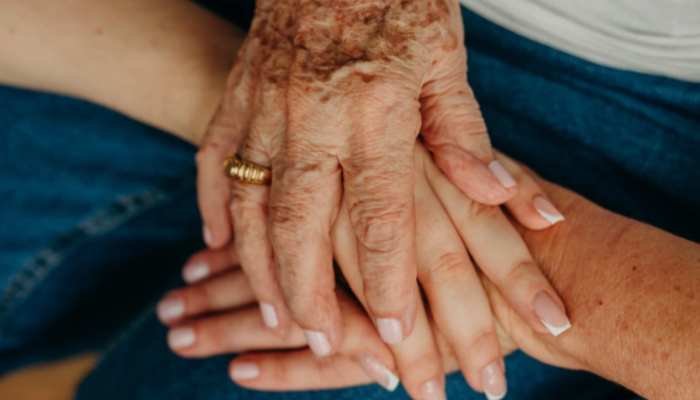
He explains that newborns are emotionally sensitive to the mother’s state. “If a mother is depressing, disconnected or restless, the child does not receive the warmth and response required for safe emotional welding.
Dr. Malik also explains that in clinical practice he often encounters children with behavioral or emotional issues, and in many cases the non -healed mental health struggles of their mother were the main cause. “I see children with anxiety, anger issues, sleep problems – and when we find it, the emotional environment at home was often unstable in the early years of the child.
He stressed that there are challenges for the mother’s mental health in all income groups, but they are different. “Women from families with lower incomes are physically and emotionally exhausted. They face unplanned pregnancies, poor nutrition, lack of education and no access to mental care.
Among the upper middle and wealthy families, the pain seems different, but it is equally harmful. “There is a lot of performance pressure,” he explained. “These women are expected to be perfect mothers, look good, keep up with social appearances and growing their children, suppressing their feelings of shame and trying to act a fine, which only aggravates internal disconnection.”
Dr. Malik also pays attention to the emotional effects of gender preference. “It’s tragic but very common, if a woman already has two or three daughters and she is again pregnant, there is huge pressure to have a son, if she has another girl, she has made her feel like a failure. This baby is born in an emotional rejection.”
According to him, these psychological wounds go quietly. “Children may not have the tongue to explain what they feel, but they absorb their tension, their bodies remember their anxiety, their minds remember the emotional absence, which later appears in the form of low self -esteem, dependency or aggression.”
Dr. Sadia Rehman stressed that mothers with unprocessed post -childbirth depression often lose their sense of identity. “They stop seeing themselves as individuals. Everything is done for survival, feed the baby. They bathe the baby. They do food. They clean the house. This emotional burning becomes their new normal.”
He points out that many children who are raised in these environments show signs of emotional dysfunction, riots, delayed speech and hyperactivity. “When we evaluate these children, the common factor is always the emotional climate of the home. And most of the time, the mother’s prosperity was ignored. “

There is not much research on Pakistan’s mental health issues, one must be based on estimates or old data. In Pakistan, it is estimated that 80% of households visiting urban clinics are diagnosed with stress -related disorders, 65% of people looking for treatment are women, mainly married, reporting high levels of family conflicts.
And yet, the stigma remains. “There is a lot of shame associated with mental health in our society,” says Dr. Rehman. “A mother is expected to be selfless, strong and giving. If she says she struggles, people believe she is unkind or weak.”
Dr. Malik agreed by adding that even among educated families, there is resistance. “Mental illness is still regarded as a moral failure. A woman can say praying more or” get away from it. No one tells her that after childbirth depression is a medical condition and no one tells her that she is worth helping. “
Both experts believe that the first step is the discussion. “We have to smooth out to talk about these feelings,” Dr. Rehman said. “Let mothers speak without judgment. Let them cry without being called dramatically.”
Dr. Malik suggested that mental health projections be included as part of the regular prenatal and postnatal visits. “It should be standard. As well as control blood pressure or hemoglobin. We should ask mothers how they feel emotionally and whether there is a red flag, monitoring.
They also believe in the power of community and social media. “When mothers see other women who share their stories on the internet, they realize that they are not alone,” says Dr. Rehman. “We need more digital platforms, safe places and public health campaigns that focus on maternal mental health.”
In the end, this is compassion. When we ask mothers, “How do you feel?” And we really hear, we start building a care culture. Because a mother who is mentally well can create a child who is emotionally strong. And this child becomes the future of our society.
As Dr. Saad Malik put it, “when we ignore a mother’s mental health, we do not simply risk losing her – we risk her child’s emotional future and this is a cost very high for any society to bring.”
a href=”https://www.geo.tv/latest/604025-caring-for-the-caregiver-mental-health-in-mothers”>Source link



