Serious incidents of turbulence are on the rise, with climate change altering jet stream patterns and making flights more erratic. Recent cases, including a fatal incident on an Air Europa flight, highlight the dangers of turbulence, which has become a major concern for passengers and airlines alike.
Turbulence occurs when an airplane flies through disturbed air, causing the aircraft to experience sudden and often violent changes. Traditionally, turbulence is expected during flights over oceans, mountain ranges or during thunderstorms. However, a new type of turbulence, known as clear air turbulence (CAT), is becoming more common. This form of turbulence occurs without visible weather disturbances, making it difficult to predict and potentially more dangerous.
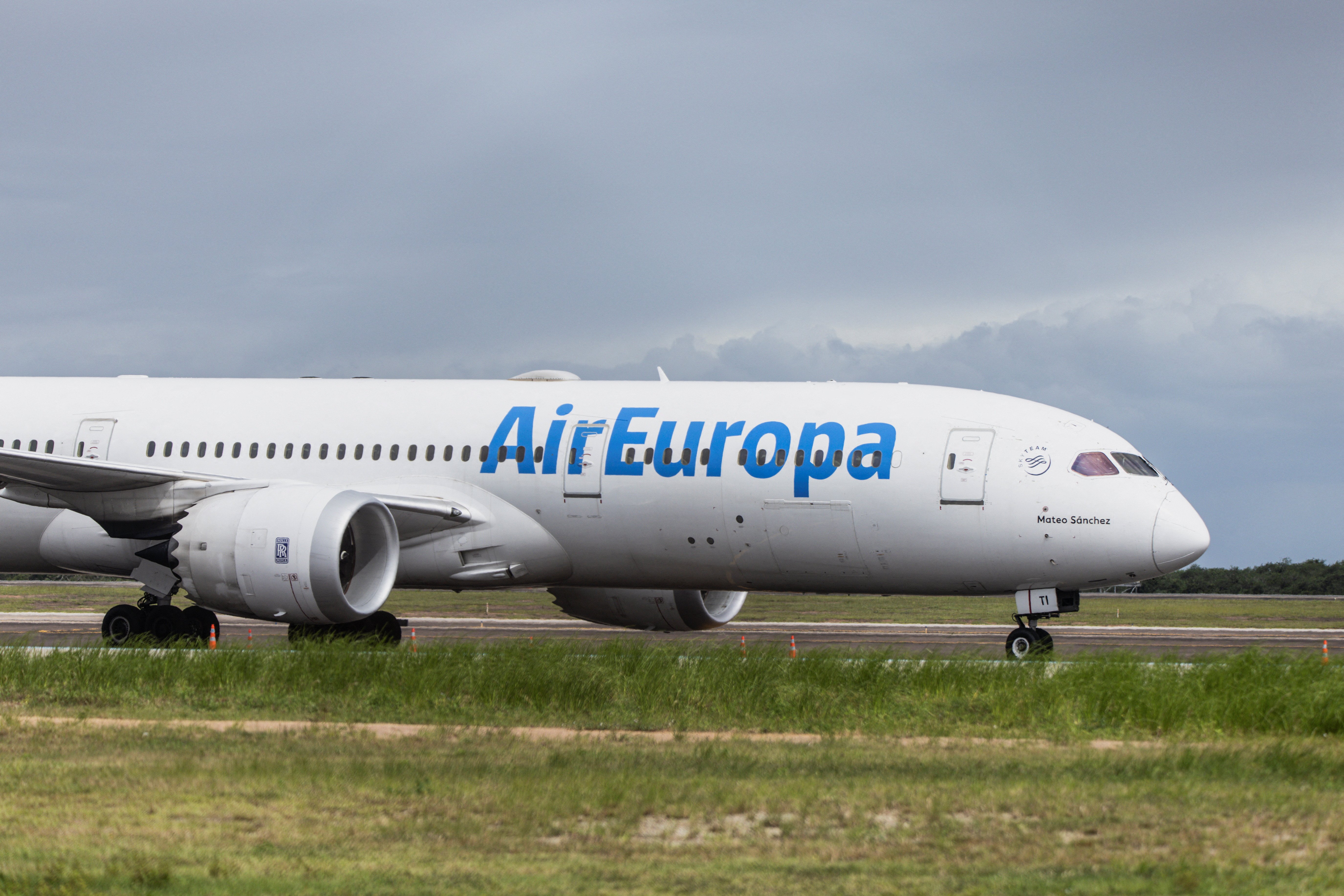
Photo: REUTERS
In May, an Air Europa flight from Madrid to Uruguay experienced severe turbulence, ejecting many passengers from their seats. The situation was so dire that the plane had to make an emergency landing in Brazil, where 30 passengers received emergency treatment and 10 were hospitalized with serious injuries. The sudden and unexpected nature of the clear air turbulence was a key factor in the severity of this incident.
Similarly, a Singapore Airlines flight that same month experienced a dramatic drop of 178 feet in less than five seconds, resulting in one passenger dying of cardiac arrest and 20 others being taken to the Intensive Care Unit. These incidents highlight the increasing severity of turbulence and its potential to cause significant damage.
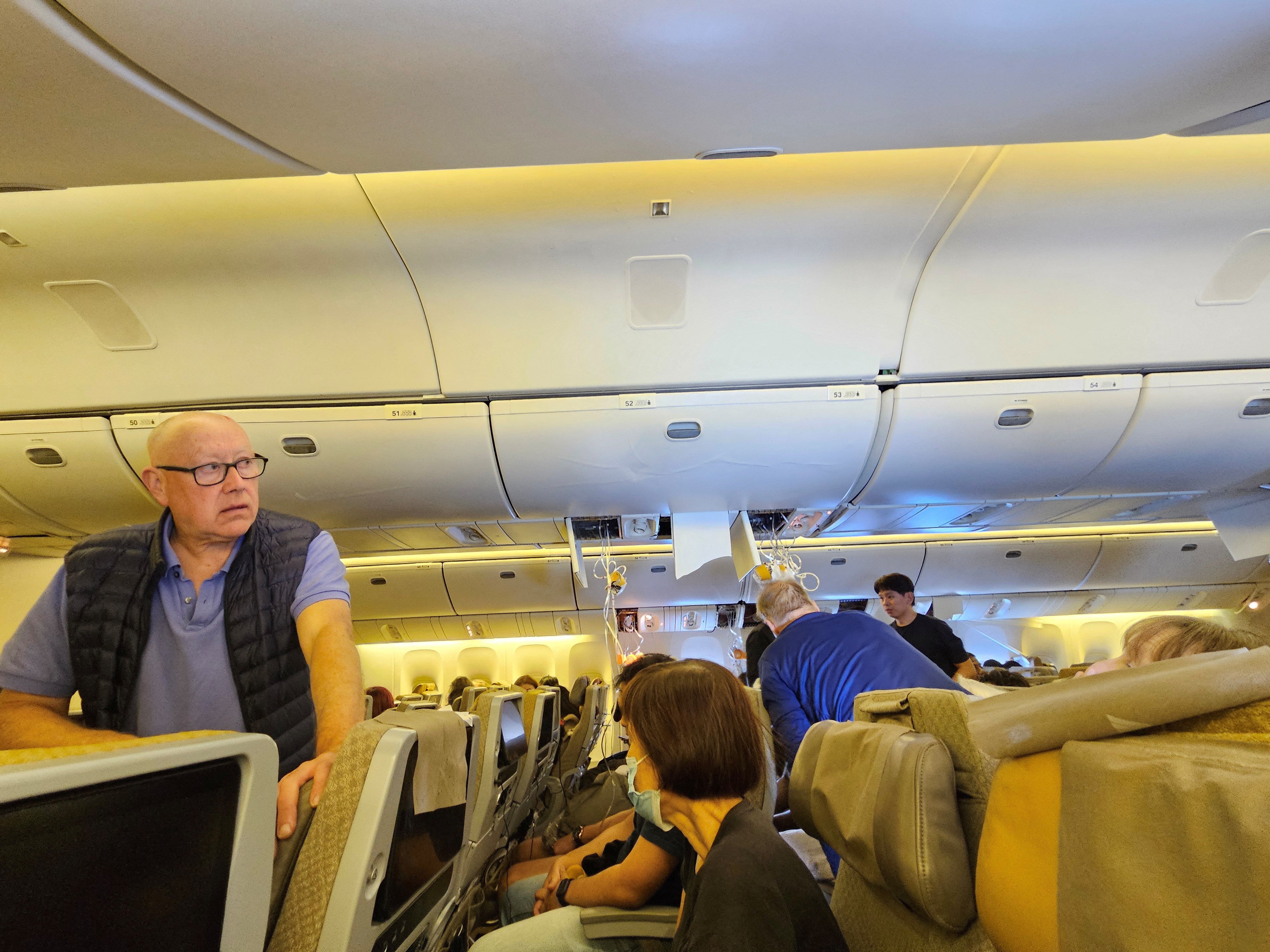
Photo: REUTERS
The increase in turbulence is linked to climate change, which affects atmospheric conditions and jet stream patterns. Since 1979, incidents of severe turbulence have increased by 55%, posing safety risks to passengers and costing airlines millions in structural damage each year. Higher air temperatures from greenhouse gas emissions change the behavior of jet streams, creating more unstable air conditions that lead to turbulence.
For airlines, turbulence is not only a safety issue but also a financial one. It leads to increased maintenance costs, structural damage to aircraft and compensation claims from injured passengers. The airline industry spends about $500 million a year on repairs and other costs related to turbulence.
To mitigate these risks, airlines are investing in advanced radar technology that can better predict weather conditions and detect turbulence more accurately. Modern aircraft are equipped with sophisticated systems designed to withstand significant turbulence, but the unpredictability of pure atmospheric turbulence remains a challenge.
Photo: REUTERS
Passengers are advised to keep their seat belts fastened at all times during flights, regardless of seat belt marking, to minimize the risk of injury during unexpected turbulence. This precaution, although simple, can save lives in severe turbulence.
Some flight paths are more prone to turbulence than others. Areas such as the North Atlantic, Western Pacific, Southeast China and North India are hotbeds for increased turbulence. Travelers flying over these areas should be extra cautious and prepared for possible turbulence.
The airline industry is also focusing on improving communication and data sharing between airlines. By sharing real-time information about turbulent routes, airlines can better prepare and warn other flights, potentially reducing the impact of turbulence on passengers and crew.
While air travel remains one of the safest modes of transportation, the increase in severe turbulence incidents underscores the need for continued advances in predictive technology and safety protocols. Airlines, regulators and researchers must work together to address the challenges posed by climate change and ensure the safety and comfort of passengers.
In conclusion, as climate change continues to affect atmospheric conditions, the airline industry must adapt to the increasing threat of severe turbulence. By investing in advanced technologies and promoting passenger safety measures, the industry can mitigate risks and maintain the high safety standards passengers expect.
a href=”https://tribune.com.pk/story/2476222/air-turbulence-a-growing-threat-to-passenger-safety-amid-climate-change”>Source link